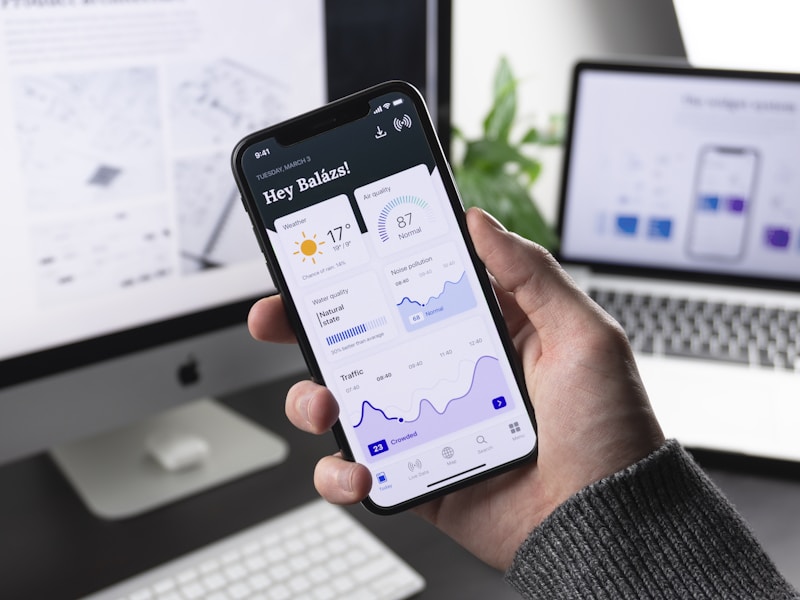
Voice interfaces are everywhere. Learn how to design conversational experiences that feel natural, helpful, and human.
The Rise of Voice Interfaces
Voice is becoming a primary interaction modality. Smart speakers, voice assistants in phones, cars, and appliances—voice interfaces are everywhere. They offer hands-free convenience, accessibility for users with visual or motor impairments, and natural interaction that doesn't require learning complex interfaces.
Designing for voice is fundamentally different from visual UI design. There's no screen to provide context, no buttons to guide interaction. Users must remember commands and rely on audio feedback. This creates unique design challenges and opportunities.
Core Principles of Voice Design
Successful voice interfaces follow principles that make them easy to learn and natural to use.
Conversational: Use natural language, not robotic commands or menu systems
Contextual: Remember conversation history and user preferences
Concise: Keep responses brief—users can't skim audio like text
Clear: Provide explicit feedback and error recovery options
Cooperative: Handle interruptions, clarifications, and course corrections gracefully
Accessible: Design for diverse accents, speech patterns, and environments
Crafting Dialog Flows
Map conversation flows like you would user journeys. Anticipate what users will say and how the system should respond. Design for the happy path but plan extensively for errors, misunderstandings, and unexpected inputs.
Avoid long monologues—break information into digestible chunks. Provide explicit turn-taking cues so users know when it's their turn to speak. Use progressive disclosure: start with essential information, offer details only if requested.
"Good voice design feels like talking to a helpful person, not issuing commands to a machine."
Testing and Iteration
Voice interfaces require extensive testing with real users in real environments. Lab testing misses crucial context: background noise, multitasking, accent variations. Test in cars, kitchens, offices—wherever users will actually use the interface.
Listen to actual user utterances, not just what you expect them to say. Users phrase requests in infinite ways. Your system must handle synonyms, slang, and unexpected phrasings. Build robust natural language processing and clear fallback paths when the system doesn't understand.