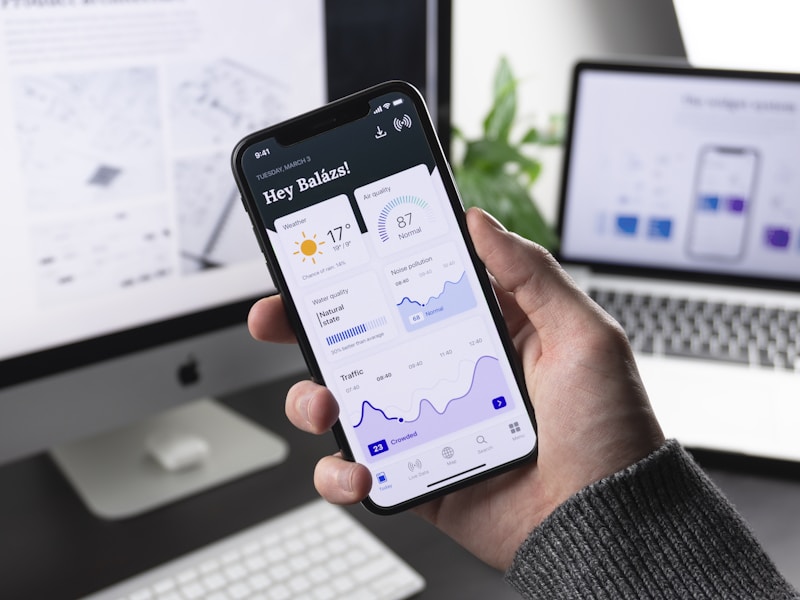
Small animations and feedback loops that users barely notice—until they're missing. Master the art of micro-interactions for better UX.
What Are Micro-Interactions
Micro-interactions are small, single-purpose animations or responses that occur when users interact with a product. That subtle button press animation, the satisfying sound when you send a message, the animated checkmark when you complete a task—these are micro-interactions.
They serve critical functions: providing feedback, communicating system status, preventing errors, and adding personality. While individually small, collectively they define how a product feels. Products with thoughtful micro-interactions feel polished, responsive, and delightful.
Types of Micro-Interactions
Effective micro-interactions fall into several categories, each serving specific user needs and product goals.
Feedback: Confirming user actions (button presses, form submissions)
System Status: Showing what's happening (loading states, progress indicators)
Error Prevention: Guiding users away from mistakes (input validation, warnings)
Rewards: Celebrating accomplishments (success animations, achievement unlocks)
Calls to Action: Drawing attention to important actions (pulsing buttons, animated arrows)
Data Entry: Making forms less tedious (auto-complete, inline validation)
Designing Effective Micro-Interactions
Great micro-interactions follow clear principles. They're immediate—responding instantly to user action. They're purposeful—serving a clear function, not decoration. They're appropriate—matching the importance of the action.
Keep them subtle. Micro-interactions should enhance, not distract. A button press might compress 2 pixels and lighten 10%—barely noticeable consciously, but subconsciously confirming the click. Test extensively to ensure they feel natural at 60fps on all devices.
"Micro-interactions are the secret sauce of great products—users don't consciously notice them, but they definitely notice when they're missing."
Implementation Best Practices
Use CSS transforms and opacity for performance—these are GPU-accelerated and smooth. Keep durations short: 150-300ms for most interactions. Use appropriate easing functions: ease-out for entering elements, ease-in for exiting.
Respect user preferences. Honor prefers-reduced-motion for users who experience motion sensitivity. Provide alternatives to purely visual feedback—consider sound or haptics where appropriate. Test across devices and connection speeds to ensure interactions remain smooth in real-world conditions.