AI tools are transforming design processes. Learn how to leverage AI while maintaining creative control and originality.
AI as Creative Partner, Not Replacement
The conversation around AI in design often swings between two extremes: AI will replace designers, or AI is useless for creative work. The reality is far more nuanced. AI excels at certain tasks—generating variations, removing backgrounds, suggesting layouts—while human designers bring strategic thinking, emotional intelligence, and creative vision.
The key is treating AI as a collaborative tool that handles repetitive tasks and expands creative possibilities, freeing designers to focus on strategy, concept development, and the uniquely human aspects of design work.
Practical AI Tools for Designers
The AI design tool landscape has exploded. Knowing which tools to use for specific tasks can dramatically improve efficiency without sacrificing quality.
Image Generation: Midjourney, DALL-E, Stable Diffusion for concept exploration and mood boards
Copy & Content: ChatGPT for UX writing, headline variations, and content structure
Layout Assistance: Auto-layout tools in Figma, grid suggestions, spacing optimization
Background Removal: AI-powered cutout tools that save hours of manual work
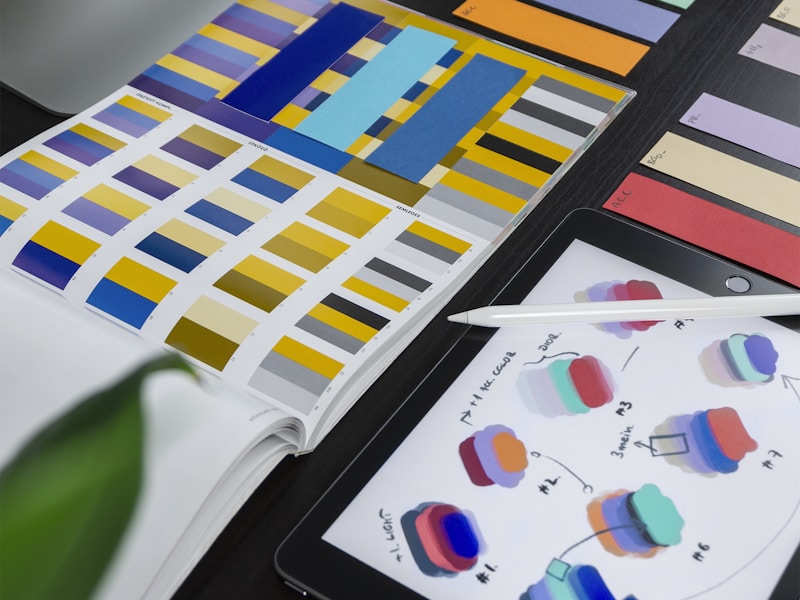
Color Palette Generation: AI suggestions based on mood, brand, or image analysis
Asset Organization: AI tagging and search for design system management
Maintaining Creative Authenticity
The biggest risk with AI tools is creating generic, derivative work. AI models are trained on existing designs, which means they tend toward average. The magic happens when you use AI output as a starting point, not an endpoint.
Always inject your creative vision into AI-generated work. Refine, combine, and transform AI suggestions into something uniquely aligned with your project goals. The designer's role shifts from pure creation to curation, direction, and refinement—skills that remain deeply human.
"AI expands the designer's toolkit but doesn't replace the designer's judgment, taste, or strategic thinking."
The Future of AI-Assisted Design
We're still in the early days of AI-assisted design. The tools will become more sophisticated, better integrated into design software, and more responsive to designer intent. The designers who thrive will be those who embrace these tools while maintaining their creative voice.
Focus on developing skills that complement AI: strategic thinking, user empathy, visual storytelling, and the ability to articulate and defend design decisions. These human capabilities will become even more valuable as AI handles tactical execution.